
Roughly one-third of all vehicles presented for testing fail their MOT on the first attempt. Surprisingly, a huge percentage of these failures are caused by minor, easily preventable faults that the driver could have resolved in minutes beforehand.
Top 5 Most Common MOT Failure Categories
According to historical DVSA statistical audits, the vast majority of MOT failures are driven by these core issues:
| Defect Category | Estimated Share | Typical Examples |
|---|---|---|
| Lighting and Indicators | ~30% | Blown bulbs, cracked headlight lenses, misaligned beams, faulty hazards. |
| Suspension and Steering | ~20% | Broken coil springs, worn dampers, leaking shock absorbers. |
| Braking Systems | ~17% | Excessive pad wear, scored discs, unbalanced brake performance. |
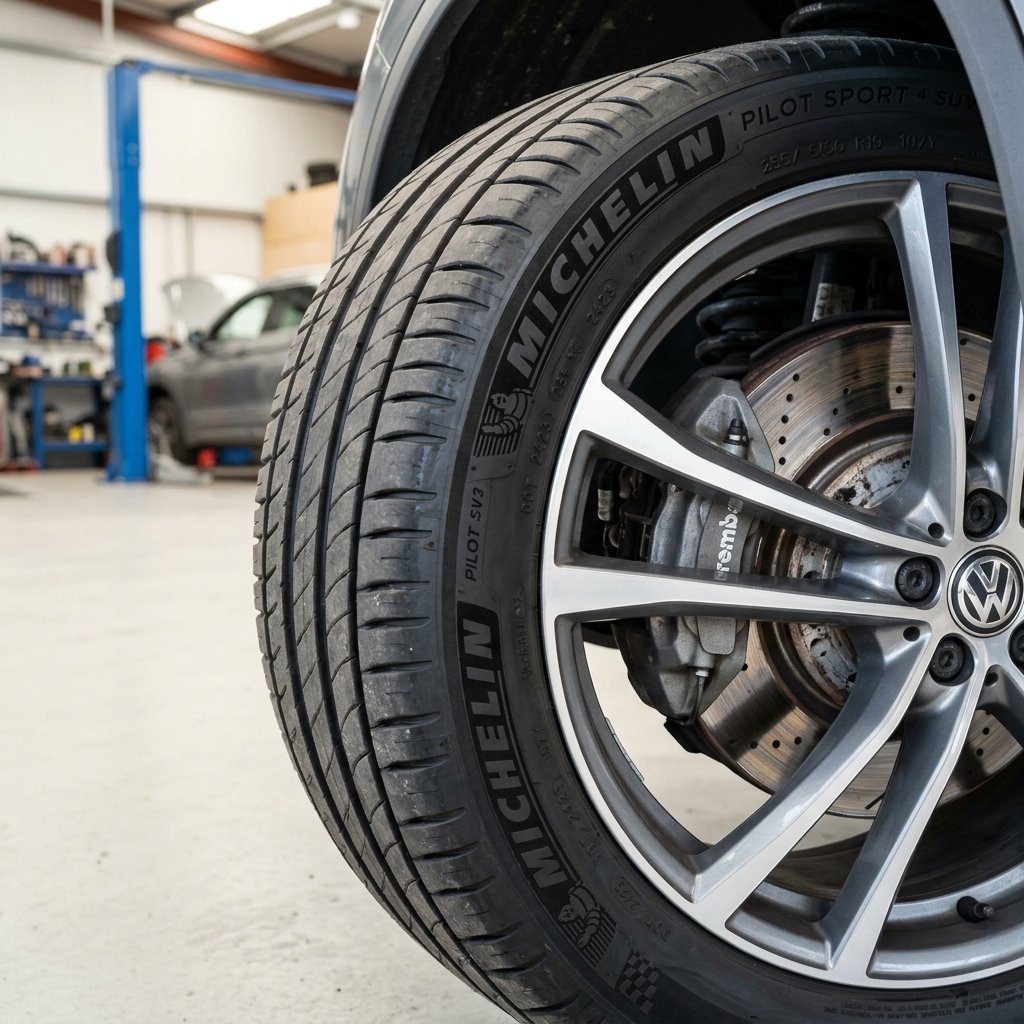
| Tyres and Wheels | ~12% | Tread depth below 1.6mm, sidewall bulges, structural cuts. |
| Visibility and Windscreen | ~8% | Cracks in the driver's direct field of view, torn wiper blades. |
Quick Pre-MOT Check List for Drivers
Before presenting your car for its test, perform these basic visual inspections. They cost nothing and can save you the hassle of a failure and retest:
- Light Walk-Around: Turn on all lights (headlights, hazards, brake lights, fog lights) and walk around the vehicle to check for blown bulbs.
- Windscreen Inspection: Check for chips or cracks within the wiper sweep zone. Any chip larger than 10mm in front of the driver is an automatic fail.
- Tyre Check: Ensure all tyres have at least 1.6mm of tread depth and show no visible damage.
- Fluid Top-Ups: Top up windshield washer fluids. Empty washers are a common failure reason.